

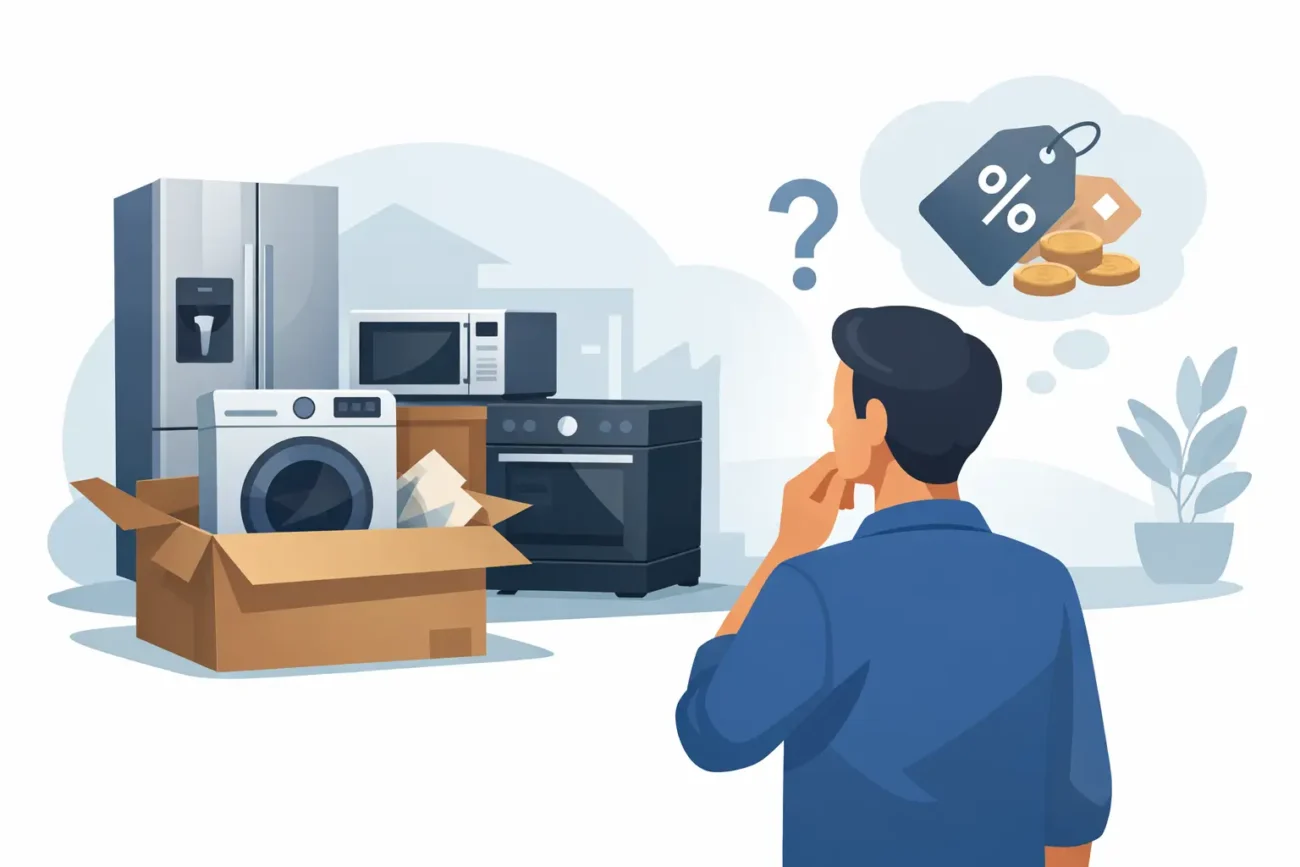
A refrigerator quits on a Sunday, the dryer stops heating the week tenants move in, or a kitchen remodel runs over budget by two grand. That is usually when people start asking whether open box appliances worth buying is a real thing or just a sales pitch. The short answer is yes – if you know what you are buying, how it was inspected, and where the discount is coming from.
For Richmond-area shoppers trying to replace an essential appliance fast, open-box can be one of the smartest ways to cut costs without dropping all the way into older used inventory. But not every open-box appliance is automatically a good deal. Some are excellent values. Some are barely discounted enough to matter. The difference comes down to condition, testing, warranty support, and the type of appliance.
When open box appliances are worth buying
An open-box appliance is usually a product that was returned, never fully installed, used as a display, or had packaging damaged in transit. In many cases, it is functionally new. That is why this category attracts buyers who want better pricing without taking on the uncertainty of a heavily used machine.
Open-box tends to make the most sense when the appliance has little to no cosmetic wear, all major functions have been tested, and the discount is meaningful enough to justify buying outside a traditional big-box retail setting. For many households, that means saving hundreds of dollars on a refrigerator, washer, dryer, or range that still has a lot of life ahead of it.
The category is especially attractive for replacement purchases. If your old unit just failed, you are not shopping for bragging rights. You are shopping for cold food, clean laundry, or a working stove by the end of the week. Open-box inventory often hits the sweet spot between price, speed, and condition.
Which open box appliances are worth buying most often
Some appliances are better open-box buys than others. The lower the complexity and the lower the chance of hidden wear, the better the category usually performs.
Refrigerators
Refrigerators are often one of the best open-box values, especially when the return had nothing to do with cooling performance. Maybe the buyer ordered the wrong size, changed finishes mid-remodel, or rejected it because of a small dent on the side that will sit against cabinetry anyway.
The key is proper testing. You want verified cooling, working fans, intact door seals, functional lights and controls, and no signs of refrigerant issues. A lightly blemished open-box refrigerator can deliver major savings if the important systems check out.
Washers and dryers
Laundry appliances are another strong category, particularly basic top-load washers and standard dryers. These units are easier to evaluate than some feature-heavy appliances, and many open-box returns happen because of fit issues, color mismatches, or delivery refusals rather than mechanical problems.
Front-load sets can also be worth buying, but they deserve a closer inspection. Look for smooth drum movement, proper drain performance, tight door seals, and no leftover water or odor that suggests the machine saw more use than advertised. Tested units with local warranty support are far safer than buying sight unseen from a random seller.
Ranges
Electric and gas ranges can be excellent open-box purchases when burners, igniters, oven temperature, and control panels have been checked. Cosmetic issues are common and often minor. A scratch on the side panel matters a lot less if it slides between cabinets.
If you are comparing prices, pay attention to the actual savings. A range with a tiny markdown may not be worth giving up the full retail buying experience. A properly tested model at a strong discount is a different story.
Dishwashers
Dishwashers can be worth buying open-box, but this is where inspection matters more. Installation variables affect dishwasher performance, and not all issues are obvious from a quick look. You want confirmation that the unit powers on, fills, drains, latches, and cycles correctly.
For landlords and property managers, open-box dishwashers can be a smart way to control turn-costs. Just make sure parts like racks, spray arms, and mounting hardware are present.
Freezers, microwaves, and wine fridges
These can be solid open-box buys because they are often returned for non-performance reasons. Chest freezers and upright freezers are straightforward if they hold temperature properly. Microwaves are usually easy to test. Wine fridges can offer great savings, especially for buyers who care more about function than flawless packaging.
When open box is not the best choice
There are times when open-box is not your best move, even at a discount.
If the price gap is small, buying brand-new may make more sense. If a model has complicated smart features, missing accessories, or visible damage in areas that affect daily use, the lower price can stop looking attractive pretty fast. The same goes for appliances with signs of poor handling, incomplete testing, or vague answers about condition.
Open-box also may not be the right fit if you need an exact matching suite and care about every cosmetic detail. A shopper focused on showroom perfection may be happier paying more. Most value-driven buyers are willing to trade the original carton and a flawless side panel for real savings, but that is a personal call.
How to tell if open box appliances are worth buying for your situation
The smartest shoppers do not just ask, “How much off is it?” They ask why it is discounted and what has been verified.
Start with the reason for the open-box status. Was it a customer return because the dimensions were wrong? Was it a display model? Was the box damaged during shipping? Those are very different stories than “we are not really sure.” Transparency matters.
Next, ask what testing was done. A reputable local dealer should be able to explain whether the appliance was floor-tested, inspected by a technician, cleaned, and checked for major functional issues. That process is what separates a value buy from a gamble.
Then look at the actual condition. Cosmetic damage should be described clearly and priced accordingly. A hidden side dent is different from damage to a door edge, control panel, or seal. If the unit has accessories, shelves, hoses, knobs, or installation pieces, confirm those are included.
Warranty support is another big factor. Even a short local warranty can dramatically reduce your risk. If something goes wrong, having a real business nearby that can help is worth a lot more than saving a little extra through a no-support private sale.
What Richmond-area buyers should prioritize
In this market, speed matters almost as much as savings. Homeowners need fast replacement when the fridge dies. Landlords need quick turns between tenants. Contractors need reliable appliances they can source without blowing the job budget.
That is where open-box inventory really shines. When a local retailer has tested stock ready to move, buyers can skip long lead times and avoid full retail pricing at the same time. For practical households and trade buyers alike, the real benefit is not just the lower sticker price. It is getting a dependable unit now, with less uncertainty.
A strong inspection process changes the equation. At Appliance World RVA, for example, tested inventory, technician approval, and local warranty backing make the open-box category far more attractive than buying from an unknown marketplace seller. That kind of support is what turns a discounted appliance into a confident purchase.
The trade-off is simple
Open-box appliances are worth buying when the savings are meaningful, the condition is honestly disclosed, and the appliance has been properly tested. They are less compelling when the markdown is small, the condition is unclear, or the seller cannot explain what has been checked.
For most buyers, the best open-box deals are refrigerators, washers, dryers, ranges, and simpler specialty units that offer strong value without much functional risk. Dishwashers and feature-heavy models can still be smart buys, but they deserve more scrutiny.
If you are replacing an essential appliance, the goal is not to chase the lowest possible price. It is to buy the most dependable appliance your budget can support, with the least amount of hassle. That is usually where open-box shines – right in the middle of brand-new pricing and used-market uncertainty.
If the appliance is tested, clean, fairly priced, and backed by someone local who will stand behind it, open-box is not settling. It is buying smart.
Leave a comment